Care of Creation
Lenten Series:
Focus on Food Loss and Waste
Week 6 - Holy Week - April 1
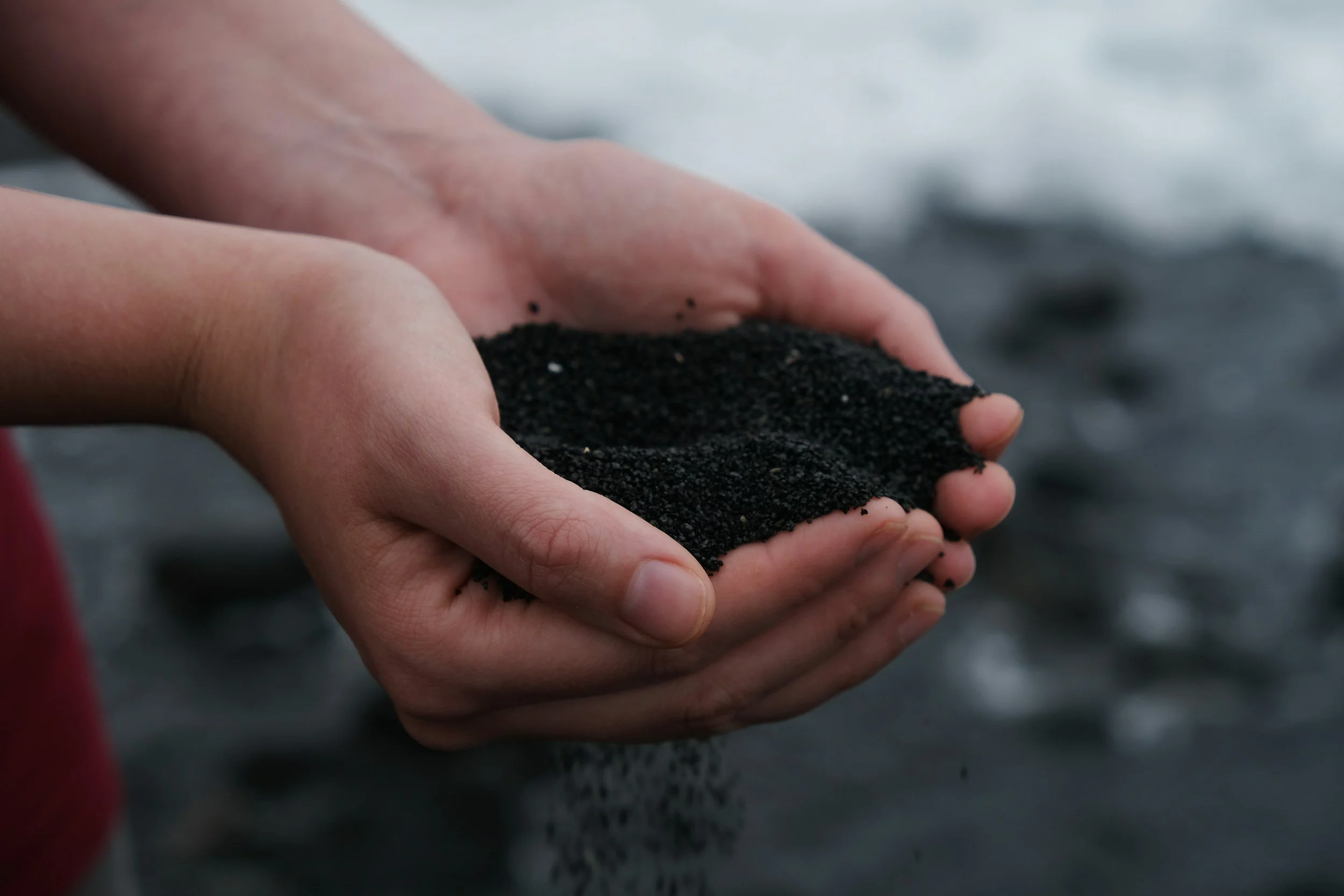
Blessed are the composters, for they return life to the soil.
This week, watch Rutgers’ educational video “Composting, Decomposition, and Materials Cycle ” and read the meditation below. Afterward, take a moment to think about the questions below and pick a practice to try this week.
Blessed are the composters, for they return life to the soil.
They know that even what cannot be eaten can still nourish, feeding the earth so it may feed us again in seasons to come.
Do you remember our superhero Black Gold? He was our champion of composting, and this is such an important part of our elimination of food waste. If Black Gold had a mantra or catch phrase it would be, “What cannot be eaten can still nourish”. (Probably better than “Cowabunga!”, “Up, up, and away!”, or even “Your friendly neighborhood Spiderman”). But to be serious again for a moment, composting not only recycles nutrients, but it also builds a healthy microbial community that supports plant growth and overall soil health. By incorporating compost into the soil, gardeners and farmers create a more resilient ecosystem that is better equipped to handle environmental challenges.
So, what do you do with the leftovers from the leftovers, when even the most creative, God-inspired cook cannot make another meal from them. Don’t put them in the landfill. Put them back in the soil.
This is truly a heroic act, and future generations will rise up and call us blessed for doing it. Feed the earth so it can feed us again in seasons to come.
— Pastor Jeff Elliott for the Care of Creation Justice Group
Questions to think about this week:
As we learned last week about ‘Food Miles,’ the transportation of food from source to table is a huge contributor to greenhouse gas emissions. But Food Miles don’t stop there - our food waste (from thrown-away packaging to peels, cores, and scraps) - also has to travel to get to a landfill or incinerator if we throw it away. What items in your food prep or restaurant eating could go into a compost pile instead of in the garbage?
Does your municipality have any composting programs you could tap into? Check out this guide to see if there is a program that serves your area.
Practices to try:
If you’ve never composted, start a very simple compost crock and try composting one or two items (coffee grounds, vegetable peels) to get started. If you’re already composting, take a fresh look at your kitchen practices and do a bit of research to see if there are additional kitchen scraps that can be added to your composting efforts.
This week’s recipe and prayer:
Black Bean Soup
Serves: 4
Ingredients:
2 Tbs. olive oil
2 med. onions rough chop
4 lg. garlic cloves crushed
2 carrots rough chop
2 15 oz. cans black beans, drained and rinsed
4 c. vegetable broth
3/4 tsp. oregano
1 tsp. coriander
1 3/4 tsp. cumin
1/8 tsp. cayenne
tiny bit salt
1 Tbs. fresh lime juice
1/3 c. sour cream
fresh cilantro
Instructions:
1. Heat oil, add onions, garlic, and carrots. Cook til soft. (about 8 mins.)
2. Add beans, salt. Bring to boil. Reduce heat. Cover. Simmer gently about 15 mins.
3. Puree. Stir in lime juice. Serve with cilantro and sour cream.

Great Mystery, guide us in the way to love your creation with all our being, and to constantly protect and defend it. It is You. Let us say with our brothers and sisters, “All our relations.” Amen.
Prayer and Recipe from Eleanor Dill
More Program Information from the 24-25 Bishop’s Challenge:
Food Pantry
Buy Local
Reduce Food Waste
Meatless Monday
Plant-Based Eating
Community Garden
Hydroponic Garden
Zero Waste Event
Waste Audit
Reduce Paper Waste
Zero Waste Fellowship
Reusable Bags
Expand Program
Institutional Recycling
Tech Recycling
Materials Reuse
Governance, Policies, and Communication
Green Purchasing Policy
Creation Care Resolution