Care of Creation
Lenten Series:
Focus on Food Loss and Waste
Week 5 - March 25
Blessed are those who waste nothing, for they walk gently upon the earth.
This week, watch Rutgers’ educational video “Food Miles” and read the meditations below. Afterward, take a moment to think about the questions below and pick a practice to try this week.
Blessed are those who waste nothing, for they walk gently upon the earth.
They live in harmony with creation, knowing that to waste food is to waste the love, labor, and life that brought it forth.
Walking gently on the earth is a concept rooted in both Islamic and Native American teaching, but it is not foreign to our Christian way of life. For example, Micah 6:8 famously reminds us, “God had shown you, O human one, what is good. And what does the Lord require of you but to act justly, to love mercy, and to walk humbly with your God?” In the New Testament Ephesians 4:2 advises believers to be humble, gentle, and patient, bearing with one another in love. And this is where even our best environmental efforts often fall flat. We true believers can often get preachy and turn seekers off by our approach rather than by our content. So, go soft, pilgrim. Walking softly on the earth is a way of living and being with God, with others and with the world. It’s a deeply spiritual rule that affects all of life. The beauty of the idea lies in its necessary harmony. You either walk gently with your whole being, or you do not. You cannot walk gently in one area, but not another. If I am truly walking gently with God, then I am also being gentle on myself, on creation, and on my neighbor. Wasting food is wasting love, labor, and life. Never waste anything precious, including your opportunities to bring each precious person, one by one, into our earth-loving fold.
— Pastor Jeff Elliott for the Care of Creation Justice Group
Questions to think about this week:
Tonight at supper, talk around the table about where you think the various ingredients in your food came from. Check packaging later and see how close you were! Did those black beans come from Brazil? That rice from Thailand? Who baked the bread or tortillas on your table?
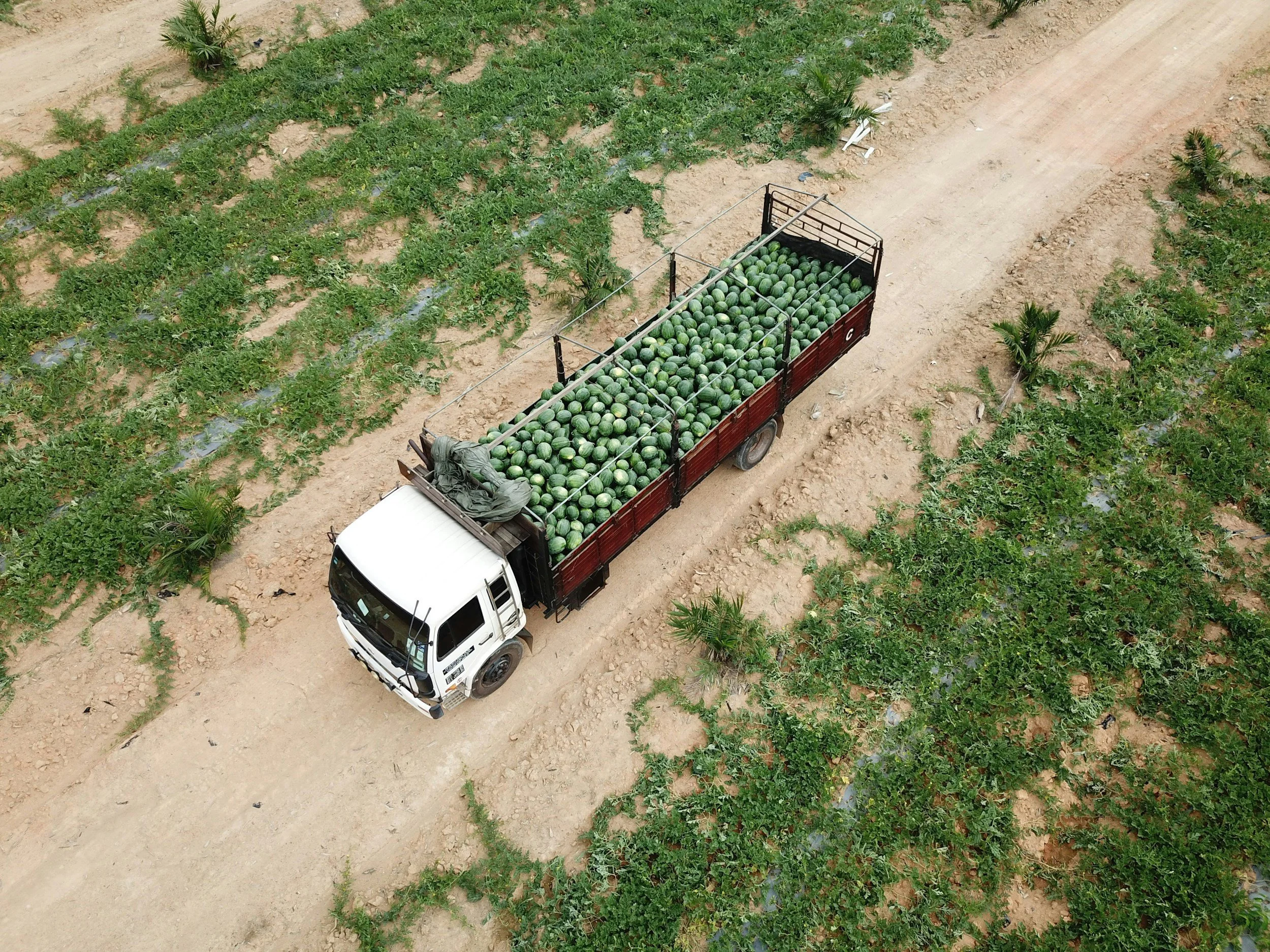
How many miles did your food travel to get to you?
After watching the video, can you give a good working definition of “Carbon Footprint”?
Practices to try:
Imagine how many people were involved in getting the food to your table. Pick one ingredient and think of the path it must have followed to get to you. Thank God for all of the hands and minds involved in the work of producing the food you are eating.
Check out this food chart of NJ produce and its seasonality. How can you plan to maximize your use of local, fresh food - when it is in season - to minimize “food miles” and their impact on the environment?
This week’s recipe and prayer:
Butternut Squash Soup
Serves: 4
Ingredients:
1 large butternut squash, peeled and seeded, cut into cubes.
2 pears, cut into pieces.
1 onion, chopped.
2 tablespoons butter
4 cups vegetable broth.
1 tablespoon grated ginger (or tsp. ginger powder)
Olive oil, salt and pepper, garlic powder
Instructions:
1. Toss squash with olive oil, salt, pepper, and garlic powder
2. Roast 20 minutes in the oven at 375* turning after 10 min.
3. Sauté onion in butter. Add pears. Cook till softened.
4. Add squash, ginger and broth. Bring to boil.
5. Simmer 15 minutes.
6. Cool to puree.
7. Heat. Eat. And Love.

As we pause in the midst of this season, when we think we have too much to do - help us to know that we need to think differently and behave differently in this year. We are in anticipation of a healthy world, a cleaner world, a peaceful world. Send us your gift of silent winter nights so that we can hear what you will bring to us: A gift of Hope and a determination to be of Help. Amen.
Prayer and Recipe from Donna Mertz-Burkhardt
More Program Information from the 24-25 Bishop’s Challenge:
Food Pantry
Buy Local
Reduce Food Waste
Meatless Monday
Plant-Based Eating
Community Garden
Hydroponic Garden
Zero Waste Event
Waste Audit
Reduce Paper Waste
Zero Waste Fellowship
Reusable Bags
Expand Program
Institutional Recycling
Tech Recycling
Materials Reuse
Governance, Policies, and Communication
Green Purchasing Policy
Creation Care Resolution